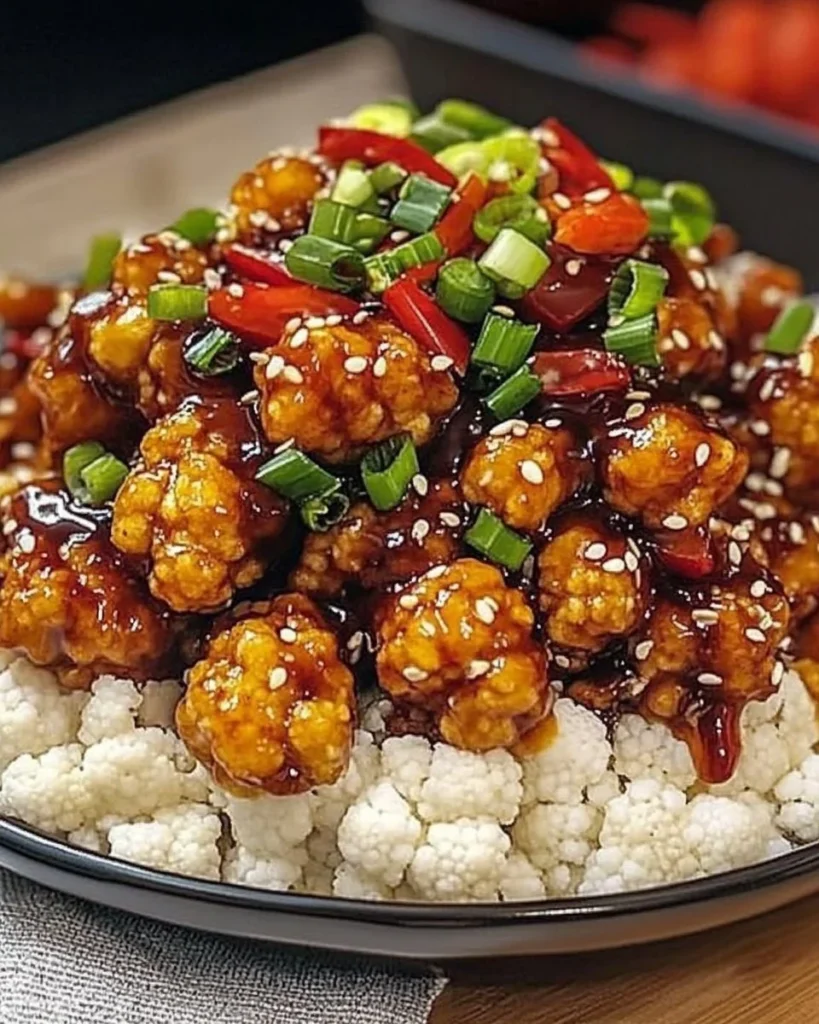
Can your favorite takeout become a healthy weeknight staple?
What if the indulgent sticky-sweet comfort of General Tso’s could be reimagined into a bright, vegetable-forward bowl without sacrificing flavor? If you’re skeptical, you’re not alone — but General Tso’s Cauliflower Bowls flip the script. This recipe delivers the same satisfying contrast of crisp, savory-crunch cauliflower and glossy, tangy sauce, while cutting calories, adding fiber, and making it weeknight-friendly. Studies show increasing vegetable-rich meals correlates with better long-term weight management and improved micronutrient intake — and this bowl is an easy step in that direction.
In the next few minutes you’ll learn a data-backed, delicious recipe for General Tso’s Cauliflower Bowls that fits vegan, gluten-free, or omnivore households with smart swaps. The focus keyword — General Tso’s Cauliflower Bowls — is front and center because that’s exactly what this post helps you make: flavorful, faster, and healthier.
Recipe Breakdown
A few years ago I swapped traditional General Tso’s chicken for cauliflower to satisfy a vegetarian friend at a dinner party. The crowd expected bland veggies — instead they asked for seconds. The secret isn’t just the substitution; it’s technique: a light crisp on the cauliflower, a balance of umami and acid in the sauce, and layered textures with scallions and sesame seeds.
Key ingredients:
- Cauliflower florets (the “meat” of the bowl)
- A sticky-sweet-tangy General Tso’s sauce built from soy, rice vinegar, brown sugar (or maple), garlic, and ginger
- Optional cornstarch batter for crispness or an air-fryer method for a lighter finish
- Base options: steamed rice, cauliflower rice, or mixed greens
Why it stands out:
- High veg-to-sauce ratio keeps flavor while lowering calories
- Easily customized to be gluten-free and vegan
- Meal-prep friendly — components store well separately
Expect to use simple techniques — roast or air-fry for crispness, and a quick stovetop reduction for the sauce — delivering an authentic sensation without deep-frying.
Ingredient List
- 1 large head cauliflower, cut into bite-sized florets (about 6 cups)
- 2 tbsp neutral oil (e.g., avocado or light olive oil)
- 2 tbsp cornstarch (optional for a light batter/crisp)
- 3 tbsp low-sodium soy sauce or tamari (use tamari for gluten-free)
- 2 tbsp rice vinegar
- 2 tbsp maple syrup or brown sugar (maple for vegan-friendly)
- 1 tbsp hoisin sauce (optional; use GF if needed)
- 2 cloves garlic, minced
- 1 tbsp fresh ginger, minced or grated
- 1/4–1/2 tsp crushed red pepper (to taste)
- 1 tsp toasted sesame oil
- 2 tsp sesame seeds and sliced scallions for garnish
- Cooked rice, cauliflower rice, or noodles to serve
Sensory notes and substitutions:
- For a tangy twist, swap rice vinegar with lime juice (brightens the sauce).
- Use coconut aminos in place of soy for a lower-sodium, soy-free option that’s slightly sweeter.
- For crunch without batter, toss cauliflower with a pinch of baking powder before air-frying to encourage crisp edges.
- Want more protein? Add baked tofu cubes or leftover rotisserie chicken.
Health-conscious alternatives:
- Reduce maple/brown sugar by half and add a splash more rice vinegar for brightness; you’ll keep the sticky mouthfeel with less sugar.
- Use cauliflower rice to lower carbs by ~150–200 kcal per serving.
Cooking Process and Time Estimates
- Prep time: 15 minutes
- Cook time: 20–25 minutes (roast) or 15–18 minutes (air-fry)
- Total time: 35–40 minutes
Contextual comparison:
- This recipe takes only about 35 minutes, roughly half the time of many slow-simmered comfort dishes, and avoids the 45–60 minutes (plus oil) typical of deep-fried alternatives.
Time-saving tips:
- Use frozen pre-cut cauliflower to shave 5–10 minutes.
- Make the sauce while the cauliflower roasts — it simmers quickly and can be whisked while you prep garnishes.
- Double the sauce and save it in the fridge for 1–2 weeks to speed future bowls.
Step-by-Step Instructions
Step-by-Step Instructions
-
Preheat and prep
- Preheat oven to 425°F (220°C) or set air fryer to 400°F (200°C).
- Toss cauliflower with oil, salt, and optional cornstarch (helps a light batter cling).
Tip: Light cornstarch dusting plus high heat creates a satisfying crust without heavy batter.
-
Roast or air-fry the cauliflower
- Oven: Spread florets on a baking sheet in a single layer; roast 20–25 minutes, flipping halfway, until edges caramelize.
- Air-fryer: Arrange in the basket in a single layer; cook 15–18 minutes, shaking at 8 minutes.
Tip: Don’t overcrowd the pan — space equals crispness.
-
Make the General Tso’s sauce
- In a small saucepan, combine soy/tamari, rice vinegar, maple/brown sugar, minced garlic, ginger, and crushed red pepper. Bring to a simmer.
- Whisk 1 tsp cornstarch with 2 tbsp water into a slurry; stir into simmering sauce and cook until glossy and slightly thickened (1–2 minutes).
- Finish with sesame oil for aroma.
Tip: If your sauce is too thick, add a splash of water; too thin, simmer an extra minute.
-
Toss and assemble
- Toss roasted cauliflower in the pan with the sauce until coated. Taste and adjust for salt, sweetness, or acid.
- Serve over rice or cauliflower rice; garnish with scallions and sesame seeds.
CTA suggestion: Want more tricks for crisp vegetables? Check out our cooking hacks and step-by-step photo guide in the “Quick Crisping Methods” post.
Personalization tip: If you like heat, sprinkle chili oil or add fresh sliced chiles. For nuttier depth, toss with chopped roasted peanuts or cashews.
Nutritional Breakdown
Estimated per serving (serves 4, using 1 cup cooked rice per bowl):
- Calories: ~480 kcal
- Protein: ~10–14 g (higher if adding tofu or chicken)
- Carbohydrates: ~60 g
- Fat: ~16 g
- Fiber: ~7–9 g
Health insights:
- Cauliflower is high in vitamin C and fiber while being low in calories — each cup delivers about 25 kcal and 2–3 g fiber.
- Swapping chicken for cauliflower reduces saturated fat while increasing plant fiber, which is linked to improved glycemic control in multiple dietary studies.
- Choosing tamari and reducing added sweeteners can cut sodium and sugar significantly.
Make it fit your diet:
- Lower-calorie: Use cauliflower rice instead of white rice (saves ~150–200 kcal).
- Higher-protein: Add 6 oz baked tofu (+~12–15 g protein) or grilled chicken.
- Lower-sugar: Use 1 tbsp maple syrup and add more vinegar or a squeeze of citrus.
Healthier Alternatives
- Gluten-free: Use tamari or coconut aminos and ensure hoisin is GF or omitted.
- Vegan: Use maple syrup or date syrup instead of honey; skip animal proteins.
- Oil-free crisp: Toss cauliflower with a tablespoon of aquafaba (chickpea brine) and bake on high heat.
- Lighter coating: Instead of cornstarch batter, try a millet or chickpea flour dredge for a nutty flavor and added protein.
Impact on taste and texture:
- Aquafaba or light dredges will offer crispness with less oil but slightly different mouthfeel compared to traditional batter.
- Coconut aminos soften the saltiness and add a naturally sweeter profile; adjust vinegar to maintain balance.
Creative Serving Ideas
- Weeknight bowl: Serve over jasmine rice with quick-pickled cucumbers for brightness.
- Meal-prep: Layer cooled cauliflower, rice, and sauce separately in meal containers for grab-and-go lunches.
- Party platter: Turn it into a build-your-own bowl station with toppings like kimchi, pickled carrots, chopped peanuts, and herb sprigs.
- Comfort twist: For a heavier option, serve the cauliflower over garlic mashed potatoes for a fusion comfort plate.
Garnish ideas:
- Toasted sesame seeds, sliced scallions, cilantro, roasted peanuts, or a drizzle of sriracha mayo for richness.
Mistakes to Avoid
- Overcrowding the pan: Leads to steaming not crisping. Use two sheets if needed.
- Adding too much sugar: Makes the sauce cloying. Balance with acid (rice vinegar or lime).
- Undercooking cauliflower: Undercooked florets are crunchy in the wrong way; aim for caramelized edges.
- Tossing sauce over hot rice only: Toss cauliflower in sauce first to ensure every bite is coated.
Real-world fix:
- If your cauliflower is soggy, spread on a hot baking sheet and roast 3–5 minutes to re-crisp before serving.
Storing Tips and Meal Prep
- Refrigerator: Store cauliflower and rice separately in airtight containers for up to 4 days to maintain texture.
- Reheating: Re-crisp cauliflower in a 400°F oven for 6–8 minutes or in an air fryer for best results; microwave if short on time (crumbles texture).
- Freezing: You can freeze roasted cauliflower tossed in sauce for up to 2 months, but expect slight softening. Defrost overnight in the fridge and reheat in the oven.
- Make-ahead: Roast cauliflower and prepare sauce up to 3 days in advance. Reheat and combine to serve fresh.
Batching tip: Double the cauliflower and sauce for freezer-friendly portions; portion with grains and greens to streamline weeknight dinners.
Conclusion
This General Tso’s Cauliflower Bowls recipe proves that bold flavor and healthier choices can coexist. It’s adaptable, meal-prep friendly, and packs the texture and sauce satisfaction that makes takeout so appealing. Try the roasted method for caramelized edges or air-fry for a lighter crunch — both deliver big on flavor.
For more recipes and variations that inspired this bowl, check out these resources: a baked cauliflower take on General Tso, a protein-forward General Tso’s chicken bowl recipe if you want to compare textures, and a collection of cauliflower bowl ideas like gluten-free cauliflower tacos for more bowl inspiration at gluten-free cauliflower tacos and Buddha bowls.
Love this twist? Try the recipe, leave a comment with your favorite swap, and subscribe for more vegetable-forward transformations.
Frequently Asked Questions
Q: Can I make this ahead of time?
- Yes. Roast cauliflower and make the sauce up to 3 days in advance. Store separately and combine when reheating for best texture.
Q: Is this recipe gluten-free?
- It can be. Use tamari or coconut aminos instead of soy sauce and ensure any hoisin or other condiments are labeled gluten-free.
Q: What’s the best base to serve this on?
- For a lighter bowl, use cauliflower rice or mixed greens. For classic comfort, steamed jasmine or brown rice pairs best.
Q: How can I make the sauce less sugary but still sticky?
- Reduce sweetener by half and add 1 tsp of cornstarch slurry (corstarch + water) to thicken. Add a touch more vinegar or fresh lime to keep brightness.
Q: Can I freeze leftovers?
- Yes, but texture softens slightly. Freeze in airtight containers up to 2 months and re-crisp in the oven or air fryer when reheating.
If you tried this recipe, share a photo or tip below — what swaps worked for you?

General Tso's Cauliflower Bowls
Ingredients
Method
- Preheat oven to 425°F (220°C) or set air fryer to 400°F (200°C). Toss cauliflower with oil, salt, and optional cornstarch.
- Spread florets on a baking sheet or air fryer basket in a single layer.
- Oven: Roast for 20–25 minutes, flipping halfway until edges caramelize. Air-fryer: Cook for 15–18 minutes, shaking at 8 minutes.
- In a small saucepan, combine soy/tamari, rice vinegar, maple/brown sugar, minced garlic, ginger, and crushed red pepper. Bring to a simmer.
- Whisk cornstarch with water into a slurry; stir into simmering sauce and cook until glossy and slightly thickened (1-2 minutes).
- Finish sauce with sesame oil.
- Toss roasted cauliflower in the pan with the sauce until coated. Serve over rice or cauliflower rice; garnish with scallions and sesame seeds.


