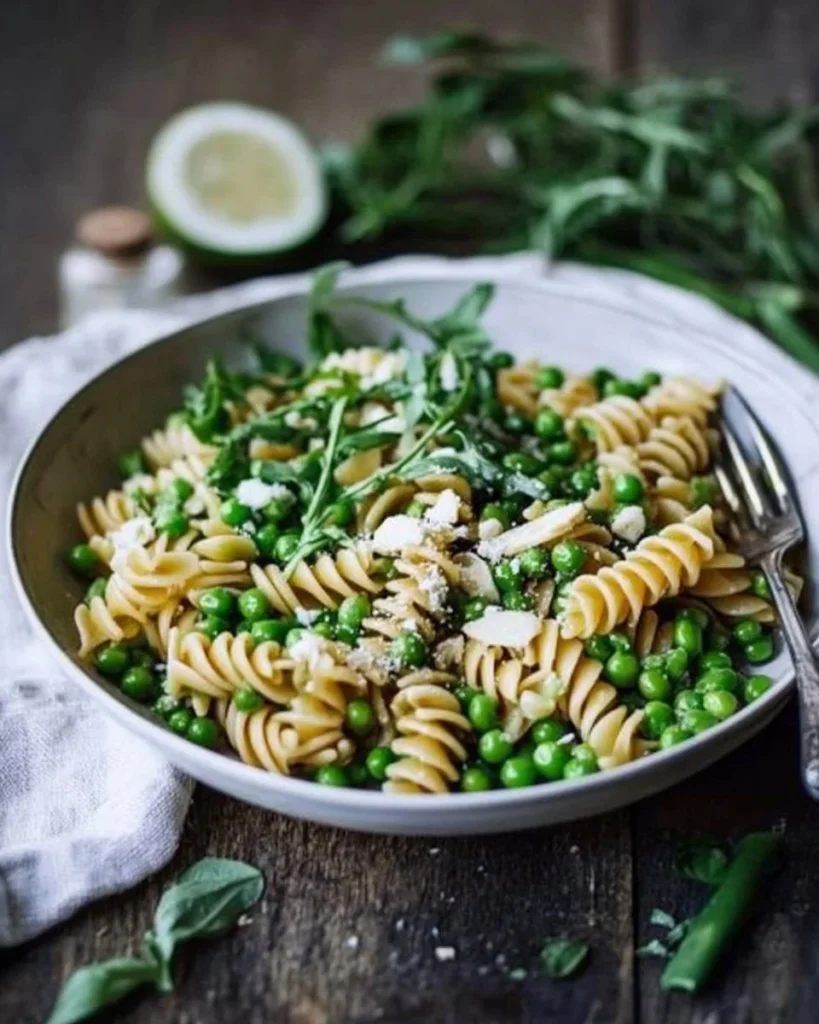
Can a simple pasta salad outsmart your weekday dinner routine?
Most people think pasta salads are bland picnic leftovers — but what if that assumption is wrong? Spring Pea Pasta Salad (yes, the focus keyword) transforms frozen-pea convenience into a vibrant, nutrient-dense main or side that’s ready faster than takeout. Packed with fresh herbs, bright citrus, and a texture contrast of al dente pasta and poppable peas, this recipe delivers flavor and speed: one cup of green peas provides roughly 8 g of protein and a bundle of fiber and vitamins, making them a smart boost to any pasta dish.
Data-driven cooks will like this: using frozen peas preserves nutrients and reduces waste, and blanching them for 1 minute keeps their color and texture optimized. Read on for a full breakdown, actionable tips, and simple swaps so you can make this recipe yours.
Recipe Breakdown
I discovered this Spring Pea Pasta Salad on an overcast Saturday when I wanted something bright and easy. The lively lemon-herb dressing paired with a little ricotta or crumbled feta reminded me that pasta salads can be elegant, not just utilitarian. What makes this recipe stand out is a balance of temperature and texture: warm pasta tossed with cool peas and room-temperature cheese keeps flavors vivid and prevents the dish from turning gluey.
Key ingredients and techniques:
- Fresh or frozen peas: quick-cooking and nutrient-dense.
- Short pasta (farfalle, rotini, or gemelli): holds dressing and peas well.
- Lemon vinaigrette with olive oil and a touch of mustard: emulsified for cling.
- Optional burrata or ricotta: adds luxury and creaminess.
- Technique highlight: reserve pasta water to loosen dressing and help it adhere to noodles.
Anticipation level: high — this is the kind of recipe that gets rave reviews at potlucks and keeps well for weekday lunches.
Ingredient List
- 12 oz short pasta (farfalle, rotini, gemelli)
- 2 cups frozen or fresh peas (if frozen, thawed or briefly blanched)
- 1 cup cherry tomatoes, halved (optional for color)
- 3/4 cup freshly grated Parmesan or pecorino
- 1/2 cup fresh basil, chiffonade
- 1/4 cup fresh mint, chopped (optional; brightens the peas)
- 1 small shallot, finely minced
- 3 tbsp extra-virgin olive oil
- 2 tbsp lemon juice (about 1 lemon)
- Zest of 1 lemon
- 1 tsp Dijon mustard
- Salt and freshly ground black pepper, to taste
- 1/4 tsp red pepper flakes (optional)
- 1/2 cup creamy ricotta or torn burrata for serving (optional)
- Toasted pine nuts or sliced almonds for garnish (optional)
Creative substitutions and sensory notes:
- For a smoky note, swap half the olive oil for walnut oil.
- For a tangy twist, substitute lemon with lime — the salad takes on a South-of-the-border brightness.
- Health-conscious swaps: use whole-grain pasta to add fiber and micronutrients; swap Parmesan for nutritional yeast for a vegan-friendly umami lift.
Cooking Process and Time Estimates
- Prep time: 10 minutes
- Cook time: 10–12 minutes
- Total time: ~22 minutes
Contextual comparison: This recipe takes roughly 22 minutes total, about one-third the time of a slow-cooked pasta bake and much less than the 45–60 minutes many reheated casseroles require.
Time-saving tips:
- Use frozen peas straight from the bag — toss them into the hot pasta water for the last 60 seconds instead of blanching separately.
- Mince herbs while the pasta cooks to maximize efficiency.
- Make the vinaigrette in a jar ahead of time and shake when ready.
Step-by-Step Instructions
-
Bring a large pot of salted water to a rolling boil.
- Tip: Use a generous pinch of salt — the pasta should taste like seawater. This is your primary seasoning.
-
Cook the pasta according to package directions until al dente. Reserve ¾ cup of pasta water before draining.
- Tip: Al dente pasta will hold up better in a chilled salad and absorb dressing flavors without getting mushy.
-
If using frozen peas, add them to the pasta pot in the last 60 seconds; if fresh, blanch for 30–45 seconds, then shock in ice water.
- Tip: Shocking stops cooking and preserves color; if you skip ice, quickly rinse under cold water.
-
Meanwhile, whisk the lemon vinaigrette: lemon juice, zest, Dijon mustard, minced shallot, olive oil, salt, pepper, and red pepper flakes.
- Tip: Shake in a jar for a creamier emulsion.
-
Toss warm pasta, peas, and vinaigrette in a large bowl. Add reserved pasta water a tablespoon at a time until the dressing clings nicely.
- Tip: Pasta water’s starch helps the vinaigrette bind.
-
Fold in grated Parmesan, basil, and mint. Adjust salt and lemon to taste.
- Tip: Add cheese gradually; it adds saltiness and creaminess, so taste as you go.
-
Serve warm or at room temperature with dollops of ricotta or torn burrata and a sprinkle of nuts.
- Tip: If serving later, toss again with a splash of olive oil and lemon just before plating to refresh flavors.
Interactive suggestion: Add step-by-step images showing the pasta water, the vinaigrette in a jar, and the final toss; consider embedding a 60-second video that demonstrates tossing with reserved pasta water for best results.
Check out this post for additional cooking hacks or pin the recipe to reuse later.
Nutritional Breakdown
Per serving (approximate, serves 4):
- Calories: 350–450 (depends on cheese and pasta choice)
- Protein: 12–18 g (boosted by peas and cheese)
- Fiber: 4–7 g (higher if using whole-grain pasta)
- Fat: 12–20 g (primarily from olive oil and cheese)
- Vitamin C, Folate, Vitamin K: notable contributions from peas and fresh herbs
Health claim context: Peas are a good plant-based protein source and provide fiber that supports satiety. A one-cup serving of green peas has roughly 8 g protein and is rich in vitamins, which makes this salad a smart, balanced option compared with refined-carb-only sides.
Personalized tips:
- To increase protein for active eaters, stir in canned chickpeas or shredded rotisserie chicken.
- For lower-calorie versions, decrease oil slightly and use a light ricotta or omit cheese.
Healthier Alternatives
-
Gluten-free: Use quinoa pasta or a chickpea pasta (notably higher in protein).
- Impact: Texture becomes firmer; chickpea pasta increases protein and fiber.
-
Vegan: Replace Parmesan with nutritional yeast and use tofu ricotta (blend firm tofu, lemon, olive oil, salt).
- Impact: Slightly less creamy but maintains umami and richness.
-
Lower-fat: Swap half the olive oil for unsweetened Greek yogurt mixed into the vinaigrette after tempering with a bit of warm pasta water.
- Impact: Thicker, tangier dressing with fewer calories.
-
Mediterranean-style: Add kalamata olives and sun-dried tomatoes; finish with oregano instead of mint.
- Impact: Saltier, heartier flavor profile ideal for pairing with grilled proteins.
Creative Serving Ideas
- Casual lunch: Serve in mason jars layered with greens for a grab-and-go option.
- Elegant appetizer: Spoon small portions into endive leaves and top with torn burrata.
- BBQ side: Pair with grilled lemon chicken or asparagus for a spring-themed spread.
- Comfort spin: Stir warm pea-pasta mixture into mashed potatoes for a creamy mash bowl.
- Garnishes: Toasted breadcrumbs, chili oil drizzle, or a few capers for bright bursts.
Personalized tip: If hosting, put out a small topping station (nuts, cheeses, herbs) so guests can customize textures and salt levels.
Mistakes to Avoid
- Overcooking the peas: They lose color and snap. Avoid by adding frozen peas to the final 60 seconds of pasta cooking.
- Adding too much acid at once: Lemon can become overpowering. Start with less, then adjust.
- Skipping reserved pasta water: Without it, the dressing won’t cling and the salad may feel dry.
- Serving straight from the fridge without re-seasoning: Chilled pasta can mute flavors—refresh with a splash of oil or lemon before serving.
- Using overly thin pasta: Very thin pastas (angel hair) don’t hold peas or dressing well; choose short, ridged shapes.
Data-backed insight: Texture contrast increases perceived satiety and enjoyment, so aim for crunchy garnishes and al dente pasta.
Storing Tips and Meal Prep
- Refrigeration: Store in an airtight container for up to 3 days. Add a splash of olive oil before storing to preserve moisture.
- Make-ahead: Combine pasta and dressing; hold delicate ingredients (cheese, herbs, nuts) separately and add before serving.
- Freezing: Not recommended for the finished salad (creaminess and texture change). You can freeze peas or pesto components separately for future use.
- Reheating: Warm gently in a skillet with a splash of water or olive oil for 1–2 minutes; finish with fresh herbs.
Pro tip: If planning lunches, portion into single-serve containers with lemon wedges and plastic cups of cheese to maintain freshness.
Conclusion
Ready to elevate your weeknight menu? This Spring Pea Pasta Salad is an adaptable, nutrient-forward dish that balances speed, flavor, and seasonal brightness. For inspiration on variations and to see how other cooks build similar fresh pea pasta dishes, explore these trusted recipes: Spring Pea Pasta – What’s Gaby Cooking showcases a burrata-forward presentation, Spring Pea Pesto Pasta Salad Recipe – The Pioneer Woman offers a herby pesto twist, and Pasta Salad with Peas and Parmesan – Alison Roman focuses on minimalist, salty simplicity.
If you make it, I’d love to hear how you customized it — leave a comment below, tag me on social media, or subscribe for weekly seasonal recipes and quick-cook strategies.
Frequently Asked Questions
Q: Can I make this ahead of time?
A: Yes. Combine pasta and dressing, then refrigerate up to 2 days. Add fresh herbs and cheese just before serving to keep brightness.
Q: Can I use frozen peas without thawing?
A: Yes — add them to the boiling pasta during the last 60 seconds. This saves time and keeps texture.
Q: What pasta shape works best?
A: Short, ridged pastas like farfalle, rotini, gemelli, or orecchiette hold dressing and peas well.
Q: How do I keep the salad from getting soggy?
A: Drain pasta thoroughly, reserve pasta water only as needed, and store with a light drizzle of oil. Avoid over-dressing.
Q: What are good sides to serve with this dish?
A: Grilled proteins (chicken, salmon), a simple green salad, crusty bread, or roasted spring vegetables complement it beautifully.
Q: How do I adapt this for meal prep?
A: Portion into containers with cheese and herbs on the side; add nuts just before eating for crunch.

Spring Pea Pasta Salad
Ingredients
Method
- Bring a large pot of salted water to a rolling boil.
- Cook the pasta according to package directions until al dente. Reserve ¾ cup of pasta water before draining.
- If using frozen peas, add them to the pasta pot in the last 60 seconds; if fresh, blanch for 30–45 seconds, then shock in ice water.
- Meanwhile, whisk together lemon juice, zest, Dijon mustard, minced shallot, olive oil, salt, pepper, and red pepper flakes.
- Toss warm pasta, peas, and vinaigrette in a large bowl. Add reserved pasta water a tablespoon at a time until the dressing clings nicely.
- Fold in grated Parmesan, basil, and mint. Adjust salt and lemon to taste.
- Serve warm or at room temperature with dollops of ricotta or torn burrata and a sprinkle of nuts.


